
Exeter New Hampshire & Things To Do
Zoom Out On Our Map To See More Around New Hampshire
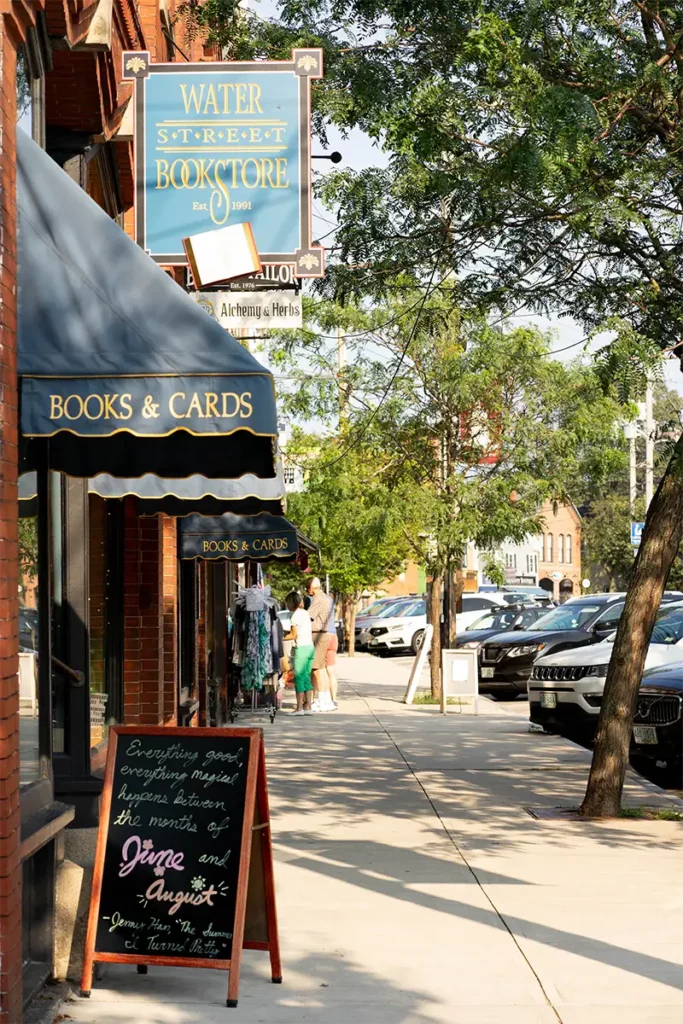
Exeter, New Hampshire has a long and layered history, and it’s still an integral part of what you’ll see in the town today. Long before European settlement, the area was home to the Squamscott people, a sub tribe of the Pennacook nation, who fished at the falls where the Exeter River meets the tidal Squamscott. That riverfront location became the natural center for what would eventually grow into Exeter NH, and it remains central to many things to do in Exeter today.
On April 3, 1638, Reverend John Wheelwright and his followers purchased the land from Wehanownowit, the local sagamore. Wheelwright had been forced out of the Massachusetts Bay Colony for his religious views, which aligned with those of his sister-in-law, Anne Hutchinson. He arrived with about 175 settlers and named the town after Exeter in Devon, England. While local government remained tied to Massachusetts for decades, Exeter officially became part of the New Hampshire colony in 1679, adding to its lasting role in early New England governance.
As one of the four original townships in the province, early Exeter once included what are now Newmarket, Newfields, Brentwood, Epping, and Fremont. On July 4, 1639, thirty-five freemen signed the Exeter Combination, a self-governing agreement written by Wheelwright that predates many other colonial charters. Daily life revolved around hunting, fishing, farming, livestock, and early industry, laying the groundwork for downtown Exeter as a commercial hub.
Industry quickly took hold along the river. Thomas Wilson built the first grist mill at the lower falls, followed by Edward Gilman Jr., who established a sawmill in 1647. By 1651, Gilman owned a fifty-ton sloop and was actively trading lumber, masts, and barrel staves. Families such as the Gilmans, Folsoms, and Leavitts, many arriving from Hingham, Massachusetts, became deeply tied to Exeter’s growth and prosperity.
The Gilman family left a lasting imprint on Exeter and on the Seacoast of New Hampshire. Their former homes include the Gilman Garrison House, now a National Historic Landmark, and the American Independence Museum, both popular places to visit in New Hampshire for history-minded visitors. The family also donated the land that became Phillips Exeter Academy, including the original Yard, still the oldest part of the campus. Nicholas Gilman went on to become one of America’s founding fathers, while other family members served New Hampshire as governors, judges, legislators, and treasurers.
Exeter merchants were not limited to the New Hampshire coastline. The Gilman family traded as far as the West Indies, operating ships out of Portsmouth and engaging in high-risk global commerce. In 1803, the Exeter-owned clipper Oliver Peabody was stopped by British naval vessels enforcing a blockade against France. Admiral Horatio Nelson himself boarded the ship, shared a glass of wine with Captain Stephen Gilman, and paid for the cargo in Spanish dollars. Stories like this reflect how connected Exeter was to international trade, adding depth to the many things to do in New Hampshire that begin with exploring this historic town.
Today, walking through downtown Exeter offers more than charming streets and river views. It provides a direct connection to the people, ideas, and ambitions that helped shape New England, making Exeter a meaningful stop for anyone exploring places to visit in New Hampshire.
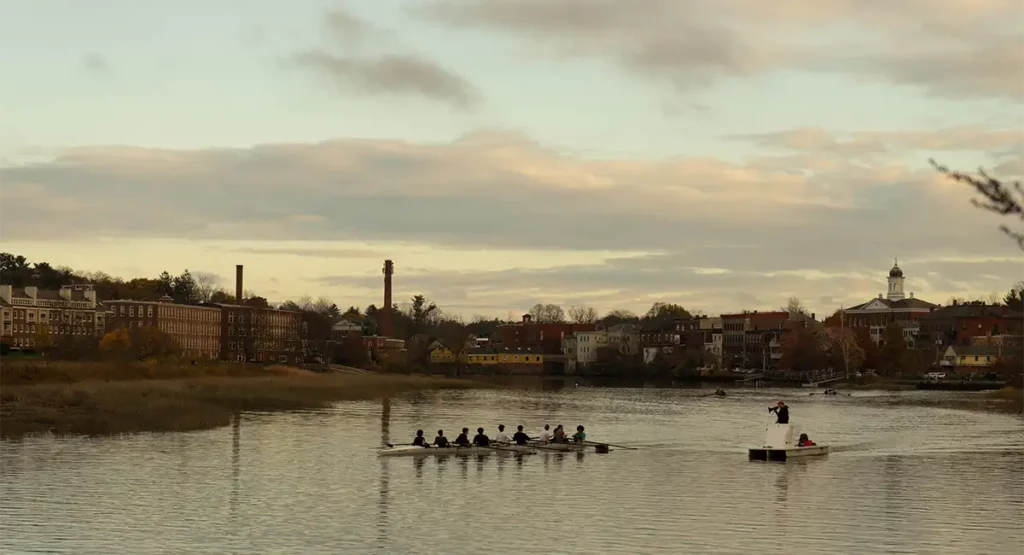
By the early 1770s, Exeter had become a center of political resistance in the region. In 1774, the rebellious Provincial Congress began meeting at the Exeter Town House after Royal Governor John Wentworth barred them from assembling in Portsmouth. Tensions escalated the following summer when, in July 1775, the Provincial Congress seized New Hampshire’s provincial records from royal officials in Portsmouth and brought them to Exeter. With that decisive move, Exeter, NH, became the capital of New Hampshire, a role it held for fourteen pivotal years during and after the American Revolution. This chapter of history is a key reason Exeter remains one of the most compelling places to visit in New Hampshire for anyone interested in the nation’s founding.
A quieter but equally powerful story can be found just off Drinkwater Road on land now owned by Phillips Exeter Academy. Near a small body of water known as Jude’s Pond stands the Jude Hall Memorial Stone, marking the former homestead of Jude Hall, a formerly enslaved man and Revolutionary War veteran. His life reflects the challenges faced by African Americans in New England during the early republic, and it adds important depth to the historical things to do in Exeter.
Jude Hall was born in 1747, likely in Kensington, and was enslaved by Philemon Blake and later Nathaniel Healy. When the Revolutionary War began, he escaped enslavement and joined the Continental Army. Research documented in George Quintal’s Patriots of Color notes that the Revolutionary forces were broadly integrated, a level of inclusion not seen again until centuries later. Hall served for seven years and fought in major engagements, including Bunker Hill, Ticonderoga, Trenton, Hubbardton, Saratoga, and Monmouth. Despite being wounded multiple times, he reenlisted and remained in service until his discharge in 1783.
Today, visiting the Jude Hall Memorial site offers a reflective experience that connects local history to the broader American story. It is one of the lesser-known but meaningful things to do in Exeter and a reminder that the New Hampshire Seacoast holds stories that extend well beyond its scenic rivers and historic buildings.
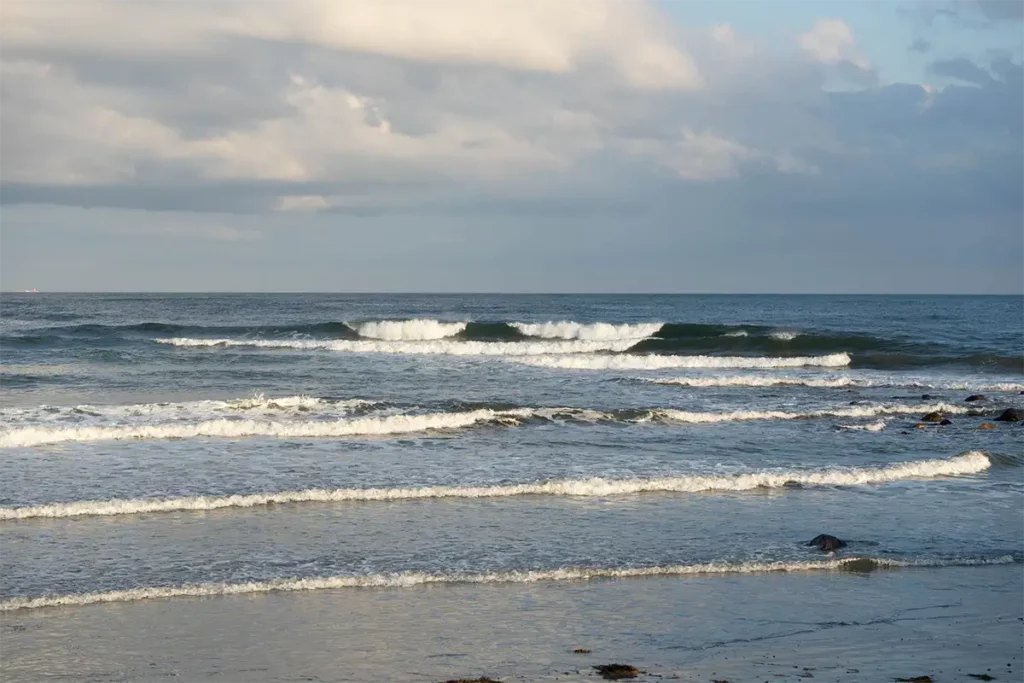
By the early 19th century, Exeter was shifting from a trading center to an industrial town. In 1827, the Exeter Manufacturing Company opened along the river, using water power to produce cotton textiles. That success helped fuel a wave of local industry, with businesses manufacturing shoes, saddles, harnesses, lumber, boxes, bricks, carriages, and even bicycles. Shipbuilding gradually faded, marked by the launch of the last schooner in 1836, while the arrival of the Boston and Maine Railroad in 1840 firmly connected Exeter to the growing regional economy. These developments still influence the layout of downtown Exeter and are part of the broader story behind many things to do in Exeter today.
Exeter also played an unexpected role in American political history. According to former New Hampshire governor Hugh Gregg, the United States Republican Party was conceived in Exeter on October 12, 1853, during a private meeting at the Squamscott Hotel. Local abolitionist Amos Tuck proposed forming a new political party, later named Republican. Horace Greeley endorsed the name later that year, noting it echoed the ideals of Jefferson and Madison. Just seven years later, Abraham Lincoln visited Exeter in 1860 while his son Robert Todd Lincoln was a student at Phillips Exeter Academy, the renowned preparatory school founded in 1781 by Dr. John Phillips.
Education has long been central to Exeter’s identity. In addition to Phillips Exeter Academy, the town was home to the Robinson Female Seminary, established in 1867 and previously known as the Exeter Female Academy. Its striking Second Empire-style schoolhouse, completed in 1869, stood as a landmark until it was lost to fire in 1961. These institutions helped shape Exeter as a center of learning on the New Hampshire Seacoast.
More recently, Exeter earned an unusual place in modern folklore. In September 1965, two Exeter police officers, Eugene Bertrand and David Hunt, along with a local teenager, Norman Muscarello, reported witnessing a bright red unidentified flying object at close range. The incident drew national attention and was later documented in the bestselling book Incident at Exeter by journalist John G. Fuller. The United States Air Force ultimately acknowledged it could not identify what the witnesses observed, and the event remains one of the most discussed UFO sightings in New Hampshire, adding an unexpected chapter to the many things to do in New Hampshire that begin with exploring Exeter’s past.
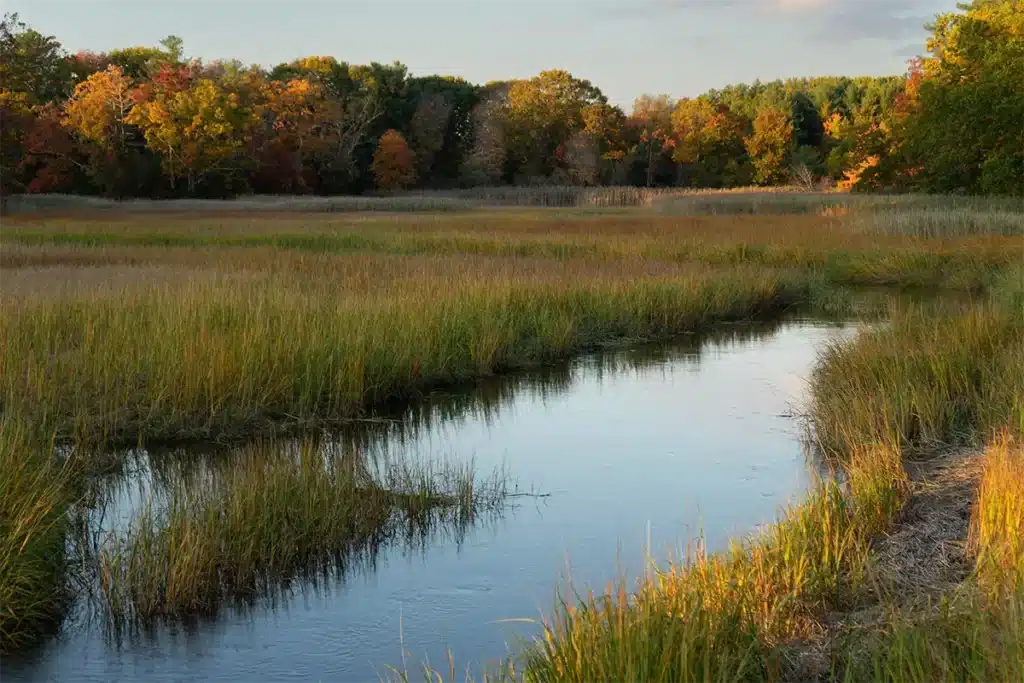
Exeter’s architectural landscape reflects centuries of design influence, making a walk through town one of the most rewarding things to do in Exeter. Many of the town’s most recognizable buildings were created by architects with deep local ties or national reputations. Arthur Gilman, a descendant of one of Exeter’s founding families, designed the Old Town Hall in 1855, setting an early standard for civic architecture in downtown Exeter.
The former Public Library, completed in 1894 and now home to the Exeter Historical Society, was designed by the Boston firm Rotch and Tilden. Their influence extended through one of their most notable protégés, Ralph Adams Cram. Cram designed Phillips Church in 1897 and Tuck High School in 1911, and his firm, Cram and Ferguson, went on to shape the Phillips Exeter Academy campus between 1908 and 1950. Adding a modern contrast, the Academy Library, completed in 1971, was designed by renowned architect Louis I. Kahn and is widely regarded as one of the most significant library designs in the world.
Exeter has also contributed to American art and public spaces. Daniel Chester French, an Exeter native and acclaimed sculptor, created the town’s war memorial in 1922. French is best known for the iconic Abraham Lincoln statue at the Lincoln Memorial in Washington, D.C. That memorial was designed by architect Henry Bacon, who also left his mark on Exeter with the Swasey Pavilion, completed in 1916 and overlooking the town square.
Other notable features add character to the town and the New Hampshire Seacoast experience. Swasey Parkway transformed the Squamscott River shoreline, replacing former wharves and warehouses with a scenic public space. On Water Street, the Ioka Theatre, built in 1915 by Exeter judge Edward Mayer, remains a cultural landmark. Its unusual name came from a local contest and is derived from a Native American word meaning playground. The theater opened with D. W. Griffith’s The Birth of a Nation and continues to be part of downtown Exeter’s cultural life.
For those interested in diving deeper into local history, the Exeter Historical Society offers extensive resources and exhibits at exeterhistory.org. Guests staying at the Inn by the Bandstand can also ask their innkeeper for a local walking guide, an easy way to experience some of the most interesting places to visit in New Hampshire right from downtown Exeter.
Unique Things to do in Exeter, NH

Applecrest Farm
A visit to Applecrest Farm is a classic New Hampshire Seacoast experience and one of the most rewarding things to do in Exeter and the surrounding area. The farm grows more than forty varieties of apples along with peaches, berries, sweet corn, pumpkins, and a wide selection of seasonal vegetables, all harvested right on the property. Inside the beautifully preserved two hundred year old barn, you will find jugs of all natural apple cider, made from scratch baked goods including their well known hot cider donuts, and a curated selection of locally produced farm items. It is an easy and flavorful way to experience the agricultural roots of the Seacoast of New Hampshire.
Exeter Area Hiking Trails
The town of Exeter offers easy access to scenic hiking and snowshoeing trails that highlight the natural side of the New Hampshire Seacoast. Local favorites include Henderson Swasey Town Forest, Oaklands Town Forest, Raynes Farm, and the Little River Conservation Area, where wooded paths, open fields, and river views create four-season opportunities to get outside. These quiet trail systems are just minutes from downtown Exeter, making them an ideal addition to any list of things to do in Exeter, whether you are visiting in fall, winter, or spring. Ask your innkeeper for a waterproof trail brochure before heading out, a simple way to explore Exeter, NH, with confidence in any weather.

Exeter Historic Society
The Exeter Historical Society is a valuable stop for anyone interested in understanding the stories that shaped Exeter NH and the surrounding New Hampshire Seacoast. This nonprofit organization preserves an extensive collection of documents, maps, photographs, and artifacts that bring local history to life, and it also hosts regular programs focused on Exeter’s past. It is one of the most enriching things to do in Exeter for history minded visitors looking to go beyond the surface. The Exeter Historical Society is open Tuesday and Thursday from 2 PM to 4 30 PM, and Saturday from 9 30 AM to 12 PM.
Fuller Gardens
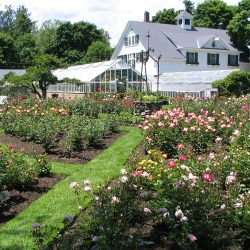
Fuller Gardens offers a refined botanical experience that feels timeless and thoughtfully designed, making it a standout place to visit near Exeter. This turn-of-the-century garden features a formal rose garden, a peaceful Japanese garden, and classic English-style perennial plantings that change with the seasons. Open daily on a seasonal basis, Fuller Gardens provides a relaxed way to enjoy the natural beauty of the New Hampshire Seacoast and is an easy addition to any list of things to do in Exeter and the surrounding area.
Strawberry Banke Museum
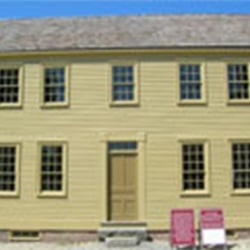
Strawbery Banke Museum, located in historic downtown Portsmouth, offers one of the most immersive history experiences on the New Hampshire Seacoast and is well worth the short drive from Exeter, NH. This ten-acre outdoor museum brings more than three hundred years of American history to life within the same waterfront neighborhood, featuring thirty-two restored historic buildings, eight heritage gardens, and rotating exhibits. Costumed role players, hands-on activities, traditional crafts, and preservation programs create an engaging environment for visitors of all ages. Using artifacts from a collection of more than thirty thousand items and the real stories of families who lived and worked in the Puddle Dock neighborhood, Strawbery Banke provides a meaningful and memorable addition to any list of things to do in New Hampshire.

American Independence Museum
The American Independence Museum is one of the most significant historical attractions in downtown Exeter, and a must-see for anyone interested in the nation’s founding. The museum includes the Ladd Gilman House, a National Historic Landmark built in 1721 by Nathaniel Ladd, along with the Folsom Tavern, built in 1775 by Colonel Samuel Folsom. In 1991, the museum gained national attention after a rare Dunlap Broadside of the Declaration of Independence was discovered inside the Ladd Gilman House, more than two hundred years after it arrived in Exeter NH. Today, the museum offers an engaging look at the Revolutionary era and is a cornerstone of the historical things to do in Exeter. The American Independence Museum is open Tuesday through Saturday from 10 AM to 4 PM, with guided tours offered daily at 1 PM, and operates seasonally from May through November.

Castle Hill - Crane Estate
Crane Beach and the Crane Estate offer one of the most impressive coastal landscapes in the Northeast and make a memorable day trip from Exeter NH. Visitors can enjoy wide stretches of sandy beach along the New Hampshire coastline region, along with trails and boardwalks that wind through dunes and salt marsh. Castle Hill refers both to the one hundred sixty-five-acre drumlin rising above the shore and to the grand mansion perched at its peak. Both are part of the two thousand one hundred acre Crane Estate on Argilla Road in Ipswich, Massachusetts. Once the summer home of Richard T. Crane Jr. and his wife, the estate features a historic mansion, twenty-one outbuildings, and carefully designed landscapes with sweeping views of Ipswich Bay. Named after a promontory in Ipswich, Suffolk, England, Castle Hill offers a refined blend of coastal scenery, architecture, and history, and is a rewarding addition to any list of things to do near Exeter.

Cape Neddick Light - Nubble Lighthouse
Cape Neddick Light, often referred to as Nubble Lighthouse, is one of the most photographed lighthouses in New England and an easy coastal excursion from Exeter NH. Located in Cape Neddick in York, Maine, the lighthouse sits dramatically offshore and has guided ships along the New Hampshire Seacoast region since the late 1800s. Congress approved funding for the light station in 1874, with construction beginning in 1879 and the Cape Neddick Light Station officially placed into service that same year. Remarkably, it remains an active aid to navigation today.
Plans for a lighthouse at this location had been discussed as early as 1837, underscoring the importance of this stretch of coastline. The tower is lined with brick, sheathed in cast iron, and rises forty one feet tall, with the light positioned eighty eight feet above sea level. A visit to Cape Neddick Light combines coastal views, maritime history, and classic New England character, making it a popular addition to a broader list of things to do near Exeter and along the Seacoast of New Hampshire.
Kancamagus Highway
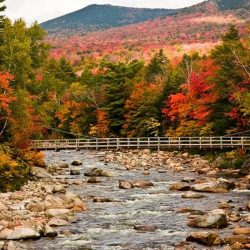
The Kancamagus Highway, also known as Route 112, is one of the most iconic scenic drives in New England and a rewarding day trip from Exeter NH. Beginning at the junction of Route 16 in Conway, the road winds through the White Mountain National Forest before ending in Lincoln, where it meets Interstate 93 and connects with Route 3. The drive is especially celebrated during New Hampshire’s fall foliage season, when mountain views, river overlooks, and forested pull offs create unforgettable scenery. Often considered New England’s most superb scenic drive, the Kancamagus is a standout option for those looking to expand their list of things to do in New Hampshire beyond the Seacoast.
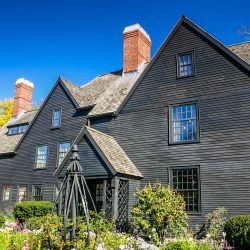
Salem, MA
Salem, Massachusetts, offers a compelling mix of history, culture, and waterfront scenery and is an easy day trip from Exeter, NH. The city is home to well-known attractions, including the House of the Seven Gables, Salem Maritime National Historic Site, Pioneer Village, Salem Willows Park, and the Peabody Essex Museum. Walking through neighborhoods such as the Federal Street District and the Charter Street Historic District adds context with preserved architecture and a strong sense of place.
Salem’s cultural identity is closely tied to the events of 1692 and the infamous witch trials, a chapter of American history later popularized in Arthur Miller’s The Crucible. Gallows Hill, once believed to be the site of public executions, is now a community park used for sports and recreation. Today, Salem balances its complex past with vibrant arts, dining, and coastal access, making it one of the most distinctive places to visit near the New Hampshire Seacoast and a worthwhile addition to any list of things to do in New England.

Odiorne Point State Park
Odiorne Point State Park showcases one of the most diverse and visually striking natural areas along the New Hampshire coastline and is a favorite destination near Exeter NH. The park spans one hundred thirty-five acres and features rocky shoreline, sandy beach areas, salt marsh, freshwater and salt ponds, wooded uplands, and preserved military and historical sites. An extensive network of trails connects these landscapes, making it easy to explore multiple environments within a short walk.
While the dramatic rocky shore often draws the most attention, the park’s variety of habitats is what makes it exceptional. Woodlands, marshes, ponds, and open coastal areas come together to create one of the most rewarding nature walks on the New Hampshire Seacoast. Odiorne Point is well suited for walking, birding, photography, and quiet exploration, and it stands out as one of the most engaging outdoor things to do near Exeter and across the Seacoast of New Hampshire.
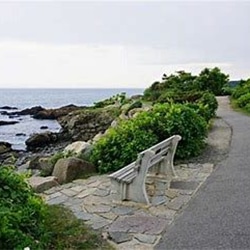
Marginal Way
The Marginal Way in Ogunquit, Maine is one of the most scenic coastal walks in New England and a memorable excursion from Exeter NH. This mile long oceanfront footpath began as a generous donation from Josiah Chase Jr. in 1925 and has since been carefully preserved by the town and dedicated local advocates. Starting near Oarweed Cove, the paved path follows the edge of Maine’s cliffs, which is why it is known as the margin.
As you walk, the trail winds past bayberry, honeysuckle, and gnarled shrubs of fragrant pink and white sea roses, all framing sweeping views of the Atlantic Ocean. The Marginal Way blends natural beauty with thoughtful preservation and remains one of the most beloved coastal experiences in the region, making it a standout addition to any list of things to do near the New Hampshire Seacoast.

Childrens' Museum of New Hampshire
The Children’s Museum of New Hampshire offers a playful and educational experience that is well suited for families visiting the Seacoast. Located along the riverfront within easy reach of Exeter NH, the museum features hands on exhibits focused on dinosaurs, submarines, aerodynamics, brain science, music, art, and the natural world. A dedicated area for babies and toddlers provides a welcoming space for younger children, while outdoor features such as a playground, benches, and picnic tables add to the experience.
Open year round, the museum hosts special events, classes, performances, and workshops that encourage curiosity and creativity. Fall, winter, and spring hours are Tuesday through Saturday from 10 AM to 5 PM and Sunday from 12 PM to 5 PM. Summer hours expand to Monday through Saturday from 10 AM to 5 PM, with Sunday hours remaining 12 PM to 5 PM. It is a family friendly addition to the many things to do near Exeter and across the New Hampshire Seacoast.
New Hampshire Beaches
Spending time at the beach is one of the best things to do in Exeter, especially with some of New Hampshire’s most appealing coastal spots just a short drive away. Hampton Beach offers a lively mix of wide, sandy shoreline, classic boardwalk energy, and oceanfront dining, making it a favorite for both relaxation and people-watching. For a quieter experience, Wallis Sands State Beach and Jenness State Beach provide sweeping ocean views, gentle surf, and a more laid-back atmosphere that highlights the natural beauty of the New Hampshire coastline.
These beaches make it easy to pair time on the sand with exploring downtown Exeter, historic sites, and local dining. Whether you are looking for a vibrant seaside afternoon or a peaceful walk along the water, New Hampshire’s beaches add an essential coastal element to any visit and round out a well-balanced list of things to do in Exeter and the surrounding Seacoast.
Nearby New Hampshire Towns
Exploring nearby New Hampshire towns is one of the most rewarding things to do in Exeter, offering easy access to places that each bring their own character and history to the Seacoast. Towns like Portsmouth, Dover, and Newmarket pair walkable downtowns with waterfront views, independent shops, and a strong sense of local culture. These communities reflect the coastal roots of the region while offering plenty of opportunities for dining, arts, and historic discovery.
Venturing a bit farther introduces charming inland towns such as Durham, home to the University of New Hampshire, and Exeter’s neighboring villages that showcase classic New England architecture and community-focused main streets. Visiting New Hampshire towns adds depth to any stay in Exeter, creating a well-rounded experience that blends coastal scenery, history, and everyday local life across the Seacoast of New Hampshire.

Restaurant Suggestions from the Inn
The food scene on the New Hampshire Seacoast is both varied and inviting, with options that range from relaxed coastal dining to chef driven kitchens focused on local ingredients. Exeter restaurants are an essential part of that experience, offering everything from cozy cafés and classic New England fare to creative menus that reflect the region’s seasonal bounty.
Beyond downtown Exeter, places to eat on the Seacoast include waterfront seafood spots, neighborhood bistros, and artisan bakeries that make exploring the area just as rewarding for food lovers as it is for history and scenery.
Ambrose – Located onsite at the Inn by the Bandstand – 6 Front Street, Exeter, NH 603-772-7673 – The Inn’s signature restaurant, Ambrose offers a refined dining experience centered on elegant, chef-driven cuisine, craft cocktails, and a thoughtfully curated wine program. Guests may dine in the Inn’s exquisite dining room or enjoy the beautiful seasonal patio overlooking historic downtown Exeter.
Ambrose is widely regarded as one of the most distinctive dining experiences in Exeter and the New Hampshire Seacoast, pairing elegant cuisine with the charm and intimacy of a historic New England Inn. The restaurant has become a destination for both visitors and local diners, reflecting the vibrant and evolving culinary scene of the Seacoast.
Vino e Vivo – 163 Water Street, Exeter, NH 603-580-4268 – Wine Bar and Upscale Dining. Short walking distance from the Inn.
Il Cornicello – 11 Water Street, Exeter, NH 603-580-4604 – Italian Restaurant. Short walking distance from the Inn.
Street Food 360 – 8 Clifford Street, Exeter, NH 603-778-6850 – Casual Dining. Short walking distance from the Inn.
Fat Hen Brewing Co. – 150 Front St, Exeter NH. 603-580-4137 – Known for its super-premium beers, scratch-made meat pies, and warm community-focused atmosphere. 5-minute drive from the Inn.
Sea Dog Brewing Co. – 5 Water Street, Exeter, NH 603-793-5116 – Casual Pub. Short walking distance from the Inn.
Oba Noodle Bar – 69 Water Street, Exeter, NH 603-693-6264 – Thai Cuisine. Short walking distance from the Inn.
Sunny Café – 26 Water St. Exeter, NH 603-418-7300 – A cheerful breakfast and brunch café serving coffee, crepes, breakfast bowls, and other café classics. Short walking distance from the Inn.
Buckley’s Burgers and Steaks – 287 Exeter Rd, Hampton, NH 603-810-0500 – Casual Steak Restaurant. 10-minute drive from the Inn.
Tino’s Kitchen + Bar – 325 Lafayette Rd, Hampton, NH 603-926-5489 – Upscale Mediterranean Cuisine. 15-minute drive from the Inn.
The Carriage House – 2263 Ocean Blvd, Rye, NH 603-964-8251 – American New Cuisine Dining. 25-minute drive from the Inn.
For additional dining options, you may also wish to explore nearby Portsmouth, NH, located approximately 25 minutes from the Inn.